
Filing a Roof Insurance Claim in Charleston, SC: A Step-by-Step Homeowner's Guide
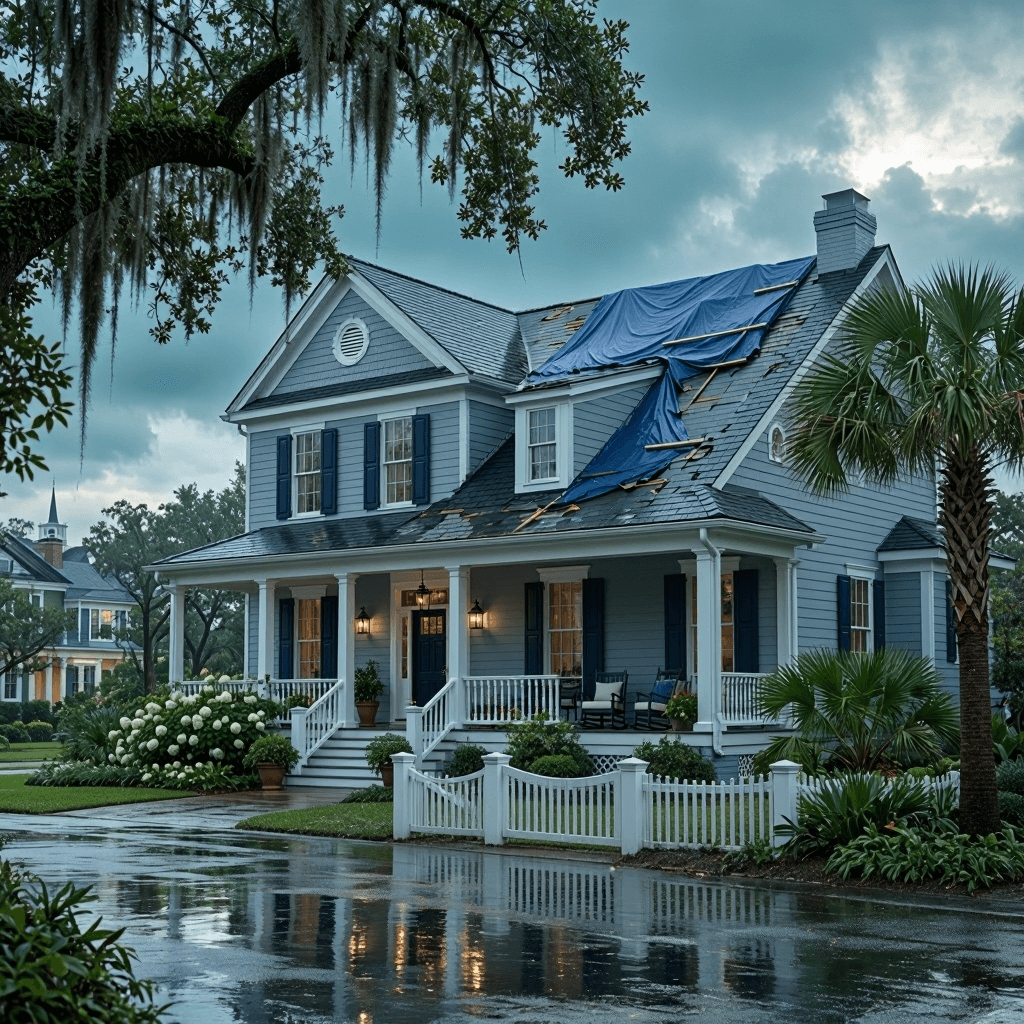
Storm season in the Lowcountry is not a question of if but when. Between June and November, Charleston homeowners face tropical systems, severe thunderstorms, hail, and straight-line winds that can tear shingles, crack flashing, and drive water into attics. When damage happens, the single most important thing you can do is document it properly and file a clean insurance claim. This guide walks you through the entire process so you protect your home and your coverage.
What Roof Damage Is Typically Covered
Most homeowner policies in South Carolina cover sudden, accidental roof damage from wind, hail, falling trees, and storm debris. Coverage usually includes the cost to repair or replace the damaged roofing system, plus interior damage caused by the leak, as long as the roof was in reasonable condition before the storm.
Common exclusions include normal wear and tear, neglect, and damage that existed before the policy started. If your roof is 20 years old and the shingles are crumbling, the insurer may classify the loss as age rather than storm. That is why a professional inspection and documentation matter so much.
Step 1: Make the Area Safe and Stop Further Damage
Before you do anything else, address immediate hazards. If a tree limb is on the roof or water is pouring into a bedroom, take action to prevent secondary damage. Move valuables, place buckets under active drips, and if safe, tarp the affected area.
Insurers expect homeowners to mitigate damage. A tarp over a hole is not only smart, it is often required by your policy. Keep receipts for any emergency materials or labor. Those costs are frequently reimbursable.
Step 2: Document Everything Before Cleanup
This is where most homeowners lose money. The adjuster needs to see the damage, but so does your contractor. Take photos and video from multiple angles before anyone cleans up or throws anything away.
Capture the following:
- Wide shots of the roof from the ground on all sides
- Close-ups of missing shingles, cracked tiles, dented flashing, or punctures
- Interior ceiling stains, wet insulation, or water pooling in the attic
- Fallen branches, hailstones, or debris that caused the damage
- The date and time stamp on your phone or camera
If you can safely access the attic, photograph the underside of the roof deck where water entered. That evidence is powerful during claim negotiations.
Step 3: Call a Local Roofing Contractor for a Professional Inspection
Before you file, get a professional roof inspection. A qualified Lowcountry contractor will identify damage you cannot see from the ground, including lifted shingles, compromised underlayment, and hidden deck rot. They will also provide a written scope and estimate that you can share with your adjuster.
Revive Roofing and Exteriors offers a free 27-point roof inspection with digital photo documentation. Our team inspects flashing joints, attic ventilation, shingle adhesion, and chimney caps, then gives you honest recommendations in writing. That report becomes your evidence file.
Revive Roofing & Exteriors holds South Carolina contractor license RBS 66578 and is BBB accredited.
Step 4: File the Claim With Your Insurance Company
Contact your insurer as soon as possible. Most policies require prompt notice, often within 24 to 72 hours of discovering the damage. You can file by phone or through your insurer's app or website.
Have the following ready:
- Your policy number
- The date and cause of the loss
- A brief description of what happened
- Photos and video of the damage
- Your contractor's inspection report and estimate
- Receipts for any emergency mitigation
Ask for a claim number and write it down. You will use it on every future communication.
Step 5: Meet the Adjuster On Site
The insurance company will send an adjuster to inspect the roof. You may request that your roofing contractor be present during the adjuster's visit. Your contractor can point out damage the adjuster might miss and provide a written scope and estimate with current Charleston labor and material costs for your reference.
A good adjuster wants accuracy, not the lowest number. Having a professional on site to answer technical questions keeps the process moving and helps ensure the damage is fully documented.
Step 6: Review the Estimate and Supplement If Needed
After the inspection, the insurer issues an estimate. Review it carefully. If the estimate is too low, missing line items, or uses outdated pricing, you can submit a supplement with additional documentation. Your contractor can prepare a revised scope and estimate for you to provide to your insurer.
Supplements are common and legitimate. They are not disputes, they are corrections. A reputable contractor provides the documentation; you or your licensed public adjuster submits it to the insurer.
Step 7: Schedule the Repair or Replacement
Once the claim is approved, schedule the work. Your contractor will coordinate material delivery, crew scheduling, and permit requirements. In Charleston, certain neighborhoods and historic districts require Board of Architectural Review approval for exterior changes, so confirm permitting with your contractor before work begins.
Revive Roofing & Exteriors provides thorough documentation, photo reports, and written scopes that homeowners can use in their own claim process. Every qualifying full re-roof includes our triple warranty: manufacturer materials, Revive workmanship, and an independent third-party certification. We also donate $121 to a local charity with every completed project.
Important: Revive Roofing Does Not Act as a Public Adjuster
Revive Roofing & Exteriors is a licensed roofing contractor, not a licensed public adjuster. We do not represent homeowners in claim negotiations, settle claims, or file supplements on your behalf. We provide professional evaluations, photo documentation, and written scopes that you can use when filing and negotiating your own claim with your insurer. If you want representation in negotiations, you may hire a licensed public adjuster or an attorney.
Tips for a Stronger Claim
- File promptly. Delays give insurers room to question whether the damage was storm-related.
- Do not throw away damaged materials until the adjuster has seen them or your contractor has documented them.
- Keep a log of every call, email, and letter with your insurer, including dates and names.
- Do not sign an assignment of benefits (AOB) without understanding what you are giving up.
- Get everything in writing. Verbal promises are hard to enforce.
Charleston-Specific Considerations
Coastal South Carolina has unique insurance considerations. Wind and hail deductibles are often separate from your standard deductible and may be a percentage of your home's insured value. Review your policy before storm season so you know your out-of-pocket exposure.
Historic districts in Charleston, including South of Broad and the French Quarter, have strict exterior guidelines. If your home is in a historic zone, confirm that your roofing material and color comply with Board of Architectural Review standards before ordering materials.
Salt air accelerates corrosion on metal flashing and fasteners, so coastal homes often need more frequent inspections. If you live in West Ashley, James Island, or Mount Pleasant, schedule an annual roof check even in calm years.
Frequently Asked Questions
How long do I have to file a roof insurance claim in South Carolina?
Most policies require prompt notice, often within 24 to 72 hours of discovering damage. Some allow up to one year for storm damage, but filing quickly protects your claim and prevents further damage. Read your policy's notice requirements carefully.
Will filing a roof claim raise my premium?
A single storm damage claim may not raise your premium, but multiple claims or claims in high-risk coastal zones can. Talk to your agent about your specific policy and deductible structure before filing for minor damage.
Can I choose my own roofing contractor for an insurance claim?
Yes. You have the right to choose your contractor. Your insurer may suggest preferred vendors, but you are not required to use them. Choose a licensed, local contractor with experience in insurance restoration.
What if my insurance estimate is lower than my contractor's quote?
Your contractor can prepare a revised scope and estimate with supporting documentation, including photos, measurements, and current local pricing, for you to submit to your insurer as a supplement. Supplements are standard and often result in a revised, higher estimate.
Does Revive Roofing provide documentation for insurance claims?
Yes. Revive Roofing and Exteriors provides inspection reports, photo documentation, and written scopes that you can use when filing and negotiating your claim with your insurer. We do not act as public adjusters and do not negotiate or settle claims on your behalf. If you want representation in negotiations, you may hire a licensed public adjuster or an attorney.
If your Charleston home has storm damage, do not wait. Call Revive Roofing and Exteriors at (843) 823-7777 to schedule your free 27-point roof inspection, or request an assessment online at revive-gc.com/contact-us. We will document the damage, provide a written scope, and restore your roof the right way.
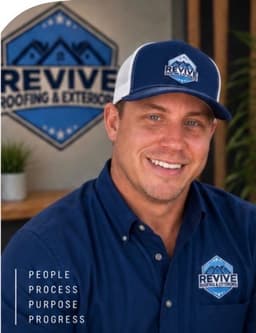
Blake Grissom
Founder & CEO, Revive Roofing & Exteriors · Co-Founder & CSO, BuilderLync • #1 Roofing Sales Rep in the Nation (2025) • Double Golden Door Award • Flagship Capital City Roofing Licensee
Blake Grissom is the Founder and CEO of Revive Roofing & Exteriors and the Co-Founder and Chief Sales Officer (CSO) of BuilderLync, bringing over 18 years of hands-on roofing and exterior restoration expertise to the Carolinas. In 2025, Blake ranked as the #1 roofing sales representative in the nation with over $7 million in personal sales and earned the Double Golden Door Award. Headquartered in Charleston, South Carolina and serving the Greenville Upstate, Revive operates as the flagship partner on the Capital City Roofing Licensing Platform. Under his leadership, Revive is the only Charleston roofing contractor offering three layers of warranty protection anchored by a $250,000 Workmanship Guarantee across residential, multi-family, and commercial roofing.