

The Complete Guide to Professional Roof Replacement in Charleston, SC
Replacing your roof is one of the largest home improvement investments you will make, and in Charleston's demanding coastal environment, it is also one of the most important. A properly installed roof protects your home against hurricane-force winds, torrential rain, relentless humidity, and the corrosive salt air that defines life in the Lowcountry.
Whether your current roof has reached the end of its lifespan, suffered storm damage, or you are upgrading to more resilient materials, understanding the full replacement process from start to finish helps you set realistic expectations, avoid costly surprises, and ensure the final result is a roof that will protect your home for decades.
This guide covers every stage of a professional roof replacement in Charleston, from initial planning through final inspection and beyond.
Recognizing When It Is Time for a Replacement
Before diving into the process, it is worth understanding the signals that indicate a replacement is necessary rather than just another repair.
In Charleston's climate, asphalt shingle roofs typically last 20 to 30 years, metal roofs 40 to 70 years, and tile or slate roofs 50 to 100 years or more. But these are general ranges, and the Lowcountry's combination of intense UV exposure, persistent humidity, salt air, and periodic severe storms can shorten those timelines.
Warning signs that a replacement is approaching include widespread granule loss on asphalt shingles, visible curling or cracking across multiple roof slopes, persistent leaks that recur after repair, sagging sections that suggest deck deterioration, and increasing energy bills that point to failing insulation or ventilation above the ceiling line.
If you have experienced a major hurricane or tropical storm, even a roof that appears intact may have suffered hidden wind damage that compromises its integrity. A professional inspection is the best way to know where you stand.
Selecting the Right Roofing Material for Charleston
Material selection is one of the most consequential decisions in the replacement process. The right choice depends on your budget, your home's architecture, your aesthetic preferences, and the specific performance characteristics that matter most in a coastal environment.
Architectural Asphalt Shingles
The most common choice for residential roofing in the Charleston area. Modern architectural shingles offer wind ratings up to 130 mph, algae-resistant granules that combat the dark staining common in humid climates, and a wide range of color and style options. They provide excellent value with a typical cost ranging from $3.50 to $5.50 per square foot installed.
For Charleston, choose shingles with the highest wind rating available and look for products with SBS-modified asphalt for enhanced flexibility and impact resistance.
Standing Seam Metal
Standing seam metal roofing is increasingly popular in the Lowcountry for its exceptional wind resistance, longevity, and energy efficiency. The concealed fastener system eliminates exposed metal that can corrode in salt air. Aluminum panels are the preferred choice for homes close to the coast due to their natural corrosion resistance.
Metal roofing typically costs $7 to $14 per square foot installed, depending on the metal type and panel profile. The higher upfront cost is offset by a lifespan two to three times longer than asphalt and lower long-term maintenance requirements.
Other Options
Synthetic slate and shake products offer the look of traditional materials with modern durability, typically running $6 to $10 per square foot installed. Natural slate is the premium choice at $15 to $30 per square foot but offers unmatched longevity. Clay and concrete tiles perform well in coastal environments and range from $8 to $18 per square foot installed.
Your roofing contractor should discuss the pros and cons of each option relative to your specific home, budget, and priorities.
Finding and Vetting a Qualified Contractor
The quality of the installation is at least as important as the quality of the materials. In a market like Charleston, where storm chasers and out-of-state operators appear after every major weather event, vetting your contractor thoroughly is essential.
Licensing and Insurance
South Carolina requires residential contractors to hold a valid license from the SC Department of Labor, Licensing and Regulation. Verify the license is current and covers the scope of work planned. Confirm the contractor carries general liability insurance and workers compensation coverage. Ask for certificates of insurance and verify them directly with the insurance carrier.
Local Experience
A contractor who has been working in the Charleston area for years understands local building codes, the specific challenges of coastal installation, and the permitting process. They have established relationships with local suppliers and inspectors. This local knowledge translates directly into a better installation.
References and Portfolio
Ask for references from recent roof replacement projects in the Charleston area, ideally on homes similar to yours. Drive by completed projects to see the workmanship. Check online reviews, but weigh them alongside direct references.
Written Proposals
A professional contractor will provide a detailed written proposal that specifies the scope of work, materials to be used including brand and product line, underlayment type, flashing materials and metals, fastener specifications, ventilation plan, timeline, total cost with payment schedule, warranty terms, and cleanup procedures.
Compare proposals on equal terms. The lowest bid is not always the best value, and a significantly lower price often means lower-quality materials, fewer fasteners, shortcuts on underlayment or flashing, or a crew with less experience.
Permits and Local Requirements
Roof replacement in Charleston typically requires a building permit, and the process varies slightly depending on whether your home is within the City of Charleston, unincorporated Charleston County, Mount Pleasant, North Charleston, or another municipality.
Building Permits
Your contractor should handle the permit application process. The permit ensures that the work is performed according to the current building code, which in this region includes elevated wind resistance requirements. Permit fees vary but are generally a few hundred dollars.
Historic District Considerations
If your home is in the Charleston Historic District or another locally designated historic area, you may need approval from the Board of Architectural Review (BAR) before changing roofing materials. Even if you are replacing with the same material, the BAR may need to review the project. Your contractor should be familiar with this process and factor the review timeline into the project schedule.
HOA Requirements
If you live in a community with a homeowners association, check the architectural guidelines before finalizing your material and color selection. Many HOAs have specific approved materials and color palettes. Getting approval before the project starts avoids the costly headache of being asked to redo work that does not conform.
Wind Code Compliance
Charleston County falls within a high-wind zone under the South Carolina Building Code. Your new roof must meet specific wind uplift resistance requirements based on your home's location, height, and exposure. Your contractor should design the roofing system, including decking attachment, underlayment, and surface material installation pattern, to meet or exceed these requirements.
What to Expect During the Installation Process
Understanding the day-by-day process of a roof replacement helps you prepare your home and your family, and it allows you to spot problems early if something does not look right.
Pre-Installation Preparation
Before the crew arrives, you should move vehicles out of the driveway and away from the house. Remove or cover items on your patio, deck, and porch. Take down any wall decorations on upper floors that might be jarred loose by roofing activity above. If you have pets, make arrangements to keep them safely away from the work zone. Let your neighbors know that work will be happening, as roofing generates significant noise and some debris may drift.
Your contractor should deliver materials a day or two before the job begins. Shingle bundles, metal panels, underlayment rolls, and flashing materials will typically be staged on the roof or in the driveway.
Day One: Tear-Off and Deck Inspection
The first phase is stripping the existing roof down to the deck. A crew working on a typical Charleston-area home can usually complete the tear-off in one day. This is the noisiest and messiest part of the process. Old shingles, underlayment, and flashing are removed and dropped into a dumpster positioned in the driveway.
Once the deck is exposed, the crew and project supervisor inspect every inch of the sheathing. This is a critical step because it reveals damage that was hidden beneath the old roof. Rotted or water-damaged plywood or OSB panels are cut out and replaced. In Charleston's humid climate, it is common to find at least a few areas of deck damage on an older roof, particularly around valleys, penetrations, and eave edges where moisture exposure is greatest.
If the existing deck is solid plank sheathing, as is common in older Charleston homes, the contractor may recommend adding a layer of plywood or OSB over it to provide a smooth, continuous surface for the new underlayment and roofing material.
Day Two: Underlayment, Flashing, and Surface Installation
With the deck repaired and sound, the crew installs the underlayment. In Charleston, synthetic underlayment is the standard for its moisture resistance and durability. Self-adhering ice and water shield membrane is applied at the eaves, in valleys, and around all penetrations for extra protection against wind-driven rain.
Next comes the flashing installation at all transition points: where the roof meets walls, around chimneys, at valleys, around vent pipes, and at drip edges along the eaves and rakes. In a coastal environment, all flashing should be aluminum, copper, or stainless steel to resist salt air corrosion.
Then the surface material goes on. For asphalt shingles, installation proceeds from the eave upward in overlapping courses, with each shingle secured using the manufacturer's specified nailing pattern. In high-wind areas like Charleston, this typically means six nails per shingle placed in specific positions. For metal roofing, panels are secured to the deck through concealed clips that allow for thermal expansion and contraction.
Ridge vents or other exhaust ventilation components are installed at this stage as well, along with any soffit or intake ventilation modifications.
Day Three and Beyond: Completion and Cleanup
Most residential roof replacements in Charleston take two to four days, depending on the size and complexity of the roof, the material being installed, and weather conditions. Metal roofs and more complex rooflines may take longer.
The final stages include installing ridge caps, sealing all penetrations, and performing a thorough quality check of the entire roof surface. Your project supervisor should walk the completed roof and inspect it from both the top and from the ground.
Timeline Factors Specific to Charleston
Several factors unique to the Charleston area can affect your project timeline, and it pays to plan for them.
Weather Windows
Charleston's weather is unpredictable, particularly during the summer thunderstorm season from June through September and hurricane season from June through November. Most contractors will not tear off a roof when rain is expected within 24 hours. This can lead to scheduling delays, especially during the wetter months. Spring and fall are generally the most reliable windows for scheduling a replacement, though these are also the busiest times for roofing contractors.
Material Availability
Supply chain conditions can affect material availability, particularly for specialty products like certain metal panel profiles or premium shingle lines. Discuss material lead times with your contractor early in the planning process. If you have a specific product in mind, confirm availability before signing a contract.
Permit Processing Times
Permit processing times vary by jurisdiction. In the City of Charleston, particularly for properties in historic districts, the review process can add several weeks. Plan accordingly and factor permit timelines into your overall project schedule.
Cleanup and Final Inspection
A professional roofing contractor takes cleanup seriously, and you should hold them to that standard.
Site Cleanup
After the roof is complete, the crew should remove all debris, old materials, and packaging from your property. The dumpster should be hauled away. A magnetic nail sweep of the entire yard, driveway, and surrounding area should be performed, often multiple times, to collect any roofing nails that fell during the tear-off and installation. Nails left in the yard are a safety hazard and a sure sign of sloppy work.
Gutters should be cleaned of any debris that accumulated during the project. Landscaping should be inspected for damage, and any plants or shrubs that were displaced should be restored.
Your Walk-Through
Before making your final payment, do a thorough walk-around of your home. Look at the roof from every angle at ground level. Check that the ridge line is straight, that the shingle courses are even, and that all flashing and trim pieces are properly installed. Look for debris in the gutters and on the ground. Check your attic for any daylight coming through the roof or signs that the ventilation modifications were completed correctly.
If anything does not look right, raise it before making the final payment. A reputable contractor will address any concerns promptly.
Building Inspection
If a permit was pulled, a final inspection by the local building department is required. The inspector will verify that the installation meets code requirements. Your contractor should coordinate this inspection and provide you with the passed inspection report for your records.
Understanding Your Warranty Coverage
A new roof comes with multiple layers of warranty protection, and understanding what each covers is important.
Manufacturer's Material Warranty
This covers defects in the roofing material itself. Premium shingle manufacturers offer warranties ranging from 25 years to lifetime, though the terms and conditions vary significantly. Metal roofing manufacturers typically offer 30 to 50-year warranties on the panel finish and longer warranties against perforation.
Read the fine print. Many manufacturer warranties are prorated, meaning the coverage decreases over time. Some require specific installation practices and may be voided if the roof is not installed by a certified contractor.
Workmanship Warranty
This covers installation errors and is provided by your contractor, not the manufacturer. Workmanship warranty terms vary widely. Some contractors offer one or two years, while others offer five, ten, or even longer. Given Charleston's climate, a longer workmanship warranty is valuable because installation-related problems like improper flashing or inadequate nailing may not become apparent until the roof faces its first significant storm.
Extended or Enhanced Warranties
Some manufacturers offer enhanced warranty programs for roofs installed by their certified contractors using a complete system of compatible products. These enhanced warranties may cover both material and labor for an extended period and are often non-prorated for a specified number of years. Ask your contractor whether they participate in any manufacturer certification programs.
Budgeting and Financing Your Replacement
A roof replacement is a major expense, and planning your budget realistically is important.
Get at least three detailed quotes from qualified local contractors. Ensure the quotes are based on the same scope of work so you are making a true comparison. Budget an additional 10 to 15 percent above the quoted price for unexpected deck repairs or other issues that may be discovered once the old roof is removed.
Many roofing contractors offer financing options, and some manufacturer programs provide promotional financing for installations using their products. Home equity loans and lines of credit are another option. If the replacement is due to storm damage, your insurance payout may cover most or all of the cost, though you will still be responsible for your deductible.
At Revive Roofing & Exteriors, we provide detailed, transparent proposals for every roof replacement project and are happy to walk you through the costs and options for your specific home. Contact us at (843) 823-7777 to get started with a free consultation.
Your New Roof Is an Investment in Your Home's Future
A professional roof replacement is not just a repair or a maintenance item. It is a long-term investment in your home's structural integrity, energy efficiency, insurance standing, and resale value. In Charleston's coastal environment, where your roof faces more severe conditions than almost anywhere in the country, the quality of that investment matters enormously.
By choosing the right materials for the Lowcountry climate, hiring a qualified and experienced local contractor, understanding the process and timeline, and maintaining your new roof properly after installation, you are setting your home up for decades of reliable protection.
Take the time to plan it right, and your new roof will be the last thing you worry about the next time a summer thunderstorm rolls in off the harbor or a tropical system tracks up the Carolina coast.
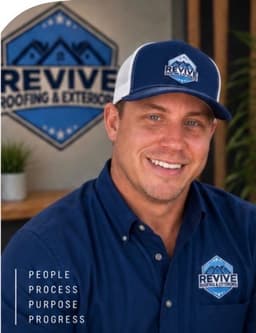
Blake Grissom
Founder & CEO, Revive Roofing & Exteriors · Co-Founder & CSO, BuilderLync • #1 Roofing Sales Rep in the Nation (2025) • Double Golden Door Award • Flagship Capital City Roofing Licensee
Blake Grissom is the Founder and CEO of Revive Roofing & Exteriors and the Co-Founder and Chief Sales Officer (CSO) of BuilderLync, bringing over 18 years of hands-on roofing and exterior restoration expertise to the Carolinas. In 2025, Blake ranked as the #1 roofing sales representative in the nation with over $7 million in personal sales and earned the Double Golden Door Award. Headquartered in Charleston, South Carolina and serving the Greenville Upstate, Revive operates as the flagship partner on the Capital City Roofing Licensing Platform. Under his leadership, Revive is the only Charleston roofing contractor offering three layers of warranty protection anchored by a $250,000 Workmanship Guarantee across residential, multi-family, and commercial roofing.