

Why Timing Matters More Than You Think for Roof Repairs in Charleston
Charleston's climate is one of the most demanding in the entire Southeast. Between the relentless summer humidity, the Atlantic hurricane season that runs from June through November, and the occasional winter ice event that catches homeowners off guard, the roofs over Lowcountry homes work harder than almost anywhere else in the country. When damage appears — whether from a sudden storm or years of slow coastal deterioration — the window for action is narrow. Delaying even a few weeks can transform a $500 repair into a $15,000 replacement.
After repairing and replacing roofs across the Charleston metro, the team at Revive Roofing & Exteriors has seen firsthand what happens when homeowners wait. This guide is designed to help you understand the warning signs that demand attention, the difference between emergencies and scheduled repairs, what typical repairs cost in this market, and why acting fast in the Lowcountry is always the smarter financial decision.
Warning Signs Your Charleston Roof Needs Repair Now
Knowing what to look for is the first line of defense. Many of the most damaging roof problems are invisible from the ground until they've already caused significant structural damage. That said, there are visible clues that every homeowner should recognize.
Exterior Warning Signs
Missing, cracked, or curling shingles are the most obvious indicator. Charleston's summer heat — frequently topping 95 degrees with humidity levels above 90% — accelerates shingle aging. UV degradation causes asphalt shingles to curl at the edges and crack across their surface. When shingles are compromised, the underlayment and decking beneath them become vulnerable to moisture intrusion.
Granule loss shows up as gritty material collecting in your gutters or at the base of your downspouts. Granules protect the asphalt layer from UV damage, and once they begin shedding heavily, the shingles are nearing the end of their useful life. In the Lowcountry, where UV exposure is intense nearly year-round, granule loss can accelerate dramatically in the final years of a roof's lifespan.
Sagging or uneven roof planes suggest structural issues beneath the surface — often compromised decking, damaged rafters, or saturated insulation that has begun to compress. This is never a cosmetic problem. Sagging indicates that water has already been present long enough to cause wood deterioration.
Damaged or missing flashing around chimneys, skylights, vents, and valleys is one of the leading causes of leaks in Charleston homes. Metal flashing expands and contracts with temperature swings, and the salt-laden coastal air accelerates corrosion. Even flashing that looks intact from a distance may be pulling away from the surface or developing pinhole rust.
Interior Warning Signs
Don't wait for a problem to announce itself through your ceiling. Check your attic regularly — especially after major storms — for the following:
- Water stains or dark streaks on rafters and sheathing
- Daylight visible through the roof boards
- Soft or spongy spots when walking on the attic floor
- Mold or mildew on insulation or wood surfaces
- A musty odor that wasn't present before
Charleston's combination of heat and humidity creates ideal conditions for mold growth once moisture enters an attic space. Mold remediation on top of roof repair significantly increases the total cost of damage.
Common Roof Repairs in the Lowcountry
Not all roof repairs are created equal. Understanding the most common repair types in this region helps you have an informed conversation with your contractor and understand what's involved.
Shingle Replacement
Spot shingle replacement is the most frequent repair call we receive. Whether from wind damage during a storm or localized aging, replacing a section of shingles is straightforward when caught early. The key issue in Charleston is color matching — if your existing shingles have weathered significantly, a new patch may be visibly different in color until it weathers to match. An experienced contractor will discuss this honestly and source the closest available match.
Flashing Repair and Replacement
Flashing failures account for a large percentage of active roof leaks on Charleston homes. The salty, humid air is particularly corrosive to galvanized steel flashing. Step flashing along dormers, counter flashing at chimneys, and valley flashing in low-slope areas are all high-risk zones. In many cases, flashing that was installed with inadequate overlap or without proper sealant will fail within five to ten years in this climate, even on an otherwise healthy roof.
Soffit, Fascia, and Gutter Repairs
The roofline components — soffit and fascia boards — take a beating from Charleston's weather. Wood soffit is particularly vulnerable to moisture, and rotted soffit creates pathways for insects and moisture to enter the attic. Vinyl or aluminum soffit replacement is a common repair that often accompanies other roofwork.
Valley Repairs
The valleys — the V-shaped channels where two roof planes meet — collect and direct enormous volumes of water. In heavy Lowcountry thunderstorms, these valleys see concentrated runoff that can overwhelm improperly installed or deteriorated valley flashing. Valley repairs often involve removing shingles along the valley line, replacing the underlayment and flashing, and re-shingling the area.
Vent and Penetration Repairs
Every pipe, vent, and penetration through your roof deck is a potential leak point. Rubber pipe boot seals dry out and crack in Charleston's heat, and the constant expansion and contraction around metal vents works sealants loose over time. These are relatively inexpensive repairs when addressed proactively.
The True Cost of Delay: What Waiting Does to Your Wallet
This is where the conversation gets expensive. Charleston homeowners who contact us after months of knowing something was wrong often face repair bills that are three to ten times what they would have paid if they'd called sooner.
Here's how the cost escalation typically works:
A minor flashing leak, left unaddressed through a Charleston summer, allows moisture to enter the attic space. That moisture soaks into the OSB roof decking, causing it to swell, delaminate, and begin to rot. The insulation becomes saturated and matted. Mold begins colonizing within 24 to 48 hours of moisture exposure in warm conditions. By the time the homeowner notices water staining on the ceiling below, there may be several sheets of decking that need replacement, new insulation, mold remediation, drywall repair below, and possibly interior painting. What might have been a $400 flashing repair is now a $6,000 to $12,000 project.
The math is unforgiving, especially in the Lowcountry where moisture-related damage progresses faster than it would in drier climates. Every month of delay during hurricane season is a gamble — one storm can drive water through a compromised area with enough force to cause catastrophic interior damage in a single event.
Emergency Repairs vs. Scheduled Repairs: Knowing the Difference
Not every roof issue demands an emergency response, but some do. Understanding which category your situation falls into helps you make the right call.
When to Call for Emergency Service
Contact a roofing contractor immediately — do not wait until Monday morning — if:
- A tree limb or falling debris has punctured or significantly displaced your roofing materials
- Active water is entering your home during or after rain
- You can see daylight through your roof deck from the attic
- A portion of your roof has visibly collapsed or is sagging severely
- Wind has lifted a large section of roofing material
Emergency repairs in these situations typically involve temporary weatherproofing — heavy-duty tarps or temporary sealants — to stop active water intrusion while permanent repairs are scheduled. Documented emergency tarping also supports insurance claims for storm damage.
When Scheduled Repair Is Appropriate
If the damage is discovered during dry weather and there is no active leak, a scheduled repair appointment within one to three weeks is generally acceptable. This applies to:
- Granule loss or surface weathering noted during a routine inspection
- A few missing shingles found after a wind event with no detected moisture intrusion
- Flashing that shows early signs of corrosion but hasn't yet failed
- Soft spots or minor sagging noted in the attic
The caveat: "scheduled" doesn't mean "ignored until spring." Schedule the repair while the weather window is favorable. Charleston's rainy season and hurricane season overlap significantly, and a repair that could wait two weeks in March becomes urgent in August.
Seasonal Timing for Roof Repairs in Charleston
The Lowcountry has distinct seasonal rhythms that affect when roof work can and should be done.
Spring (March–May) is generally the best time for major repairs and elective work. Temperatures are moderate, humidity is lower than summer, and the region is between the winter storm season and hurricane season. Scheduling a thorough residential roofing inspection in March or April gives you time to address any issues before hurricane season begins.
Summer (June–August) brings intense heat and daily afternoon thunderstorms. Work gets done, but heat and storm delays can slow projects. Any storm damage discovered in summer should be addressed immediately — don't let a summer leak sit through the remainder of hurricane season.
Fall (September–November) marks the peak of hurricane season. Repairs needed after storm damage should be prioritized quickly. Storm damage repair services are in high demand following tropical events, so calling early gets you on the schedule sooner.
Winter (December–February) in Charleston is mild compared to most of the country. Roof work can proceed normally on most winter days. This is also a good time for preventive maintenance before the spring rain cycle begins.
What to Expect When You Call for a Repair Estimate
A professional repair estimate from a reputable Charleston contractor should include a physical inspection of the roof — not just a drive-by assessment. The inspector should examine not only the obvious damage but also the surrounding areas for hidden compromise, check the attic for signs of moisture intrusion, and assess the overall condition of the roofing system.
A written estimate should clearly itemize materials, labor, and any warranty terms. Be cautious of extremely low bids that skip the inspection or offer only a verbal quote. In a coastal climate where moisture damage is the primary concern, cutting corners on diagnosis always costs more in the long run.
If you've noticed any of the warning signs described in this guide, or if your Charleston home hasn't had a professional roof inspection in the past two years, don't wait for the next storm to make the decision for you. Revive Roofing & Exteriors serves homeowners across Charleston and the Lowcountry. Our experienced team provides honest assessments, transparent pricing, and repairs built to stand up to this coast's demanding conditions.
Call us today at (843) 823-7777 to schedule your inspection or repair estimate. We're here when you need us — before the emergency, not just after.
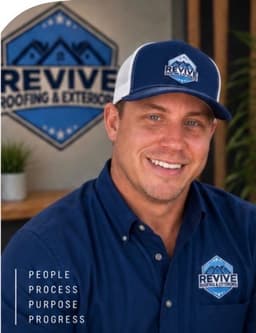
Blake Grissom
Founder & CEO, Revive Roofing & Exteriors · Co-Founder & CSO, BuilderLync • #1 Roofing Sales Rep in the Nation (2025) • Double Golden Door Award • Flagship Capital City Roofing Licensee
Blake Grissom is the Founder and CEO of Revive Roofing & Exteriors and the Co-Founder and Chief Sales Officer (CSO) of BuilderLync, bringing over 18 years of hands-on roofing and exterior restoration expertise to the Carolinas. In 2025, Blake ranked as the #1 roofing sales representative in the nation with over $7 million in personal sales and earned the Double Golden Door Award. Headquartered in Charleston, South Carolina and serving the Greenville Upstate, Revive operates as the flagship partner on the Capital City Roofing Licensing Platform. Under his leadership, Revive is the only Charleston roofing contractor offering three layers of warranty protection anchored by a $250,000 Workmanship Guarantee across residential, multi-family, and commercial roofing.